
Chapter 2
The Vulnerability of the Creative Process
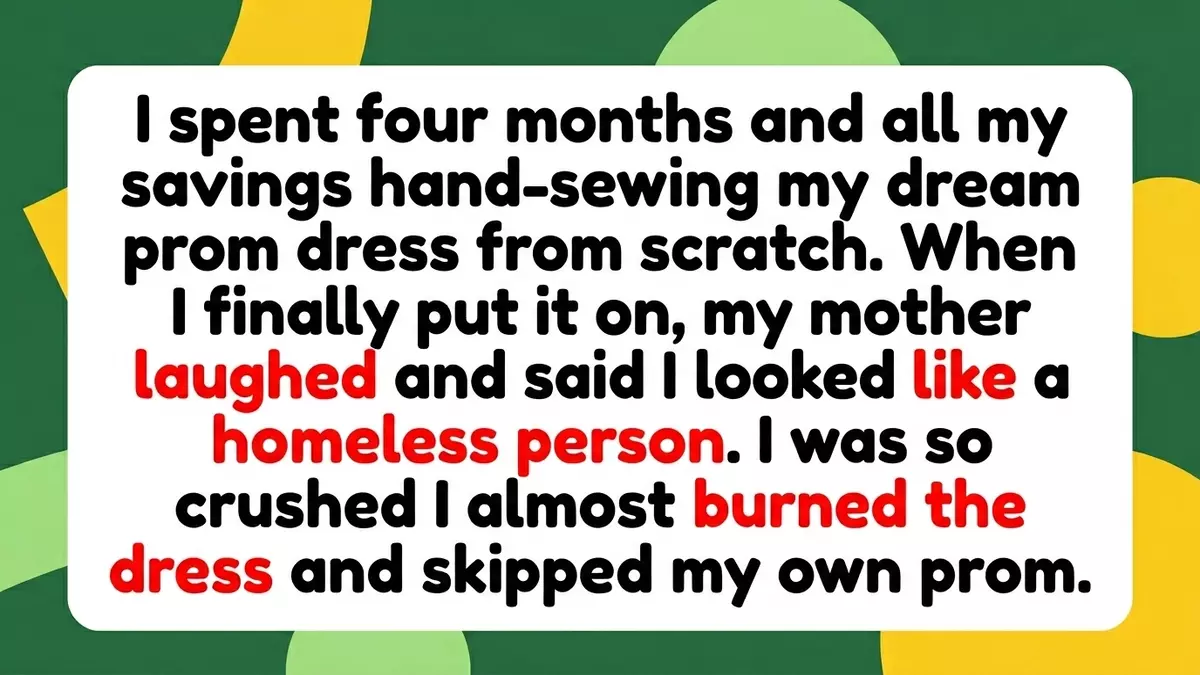
For an 18-year-old, investing hundreds of hours and hard-earned savings into a custom project is a massive psychological risk. The creator is essentially saying, "This is who I am, and this is what I am capable of."
Because the emotional stakes are so high, a harsh remark from a primary caregiver doesn't just feel like a critique of the object; it feels like a total rejection of the creator's personal identity. This can trigger acute emotional distress, causing the individual to contemplate skipping the milestone event altogether to avoid perceived humiliation.
Shifting from External to Internal Validation
A critical milestone in moving from adolescence to adulthood is breaking free from the trap of conditional validation. When we rely entirely on the approval of our immediate family to feel good about our work, we grant them absolute power over our self-esteem.
Key Takeaway: True confidence is forged when you internalize your own accomplishments. The skill, patience, and determination required to see a complex, four-month project through to completion belong entirely to you. A parent's inability to see professional-grade talent reflects their limitations, not yours.
Practical Strategies to Protect Your Shine from Close Critics
If you are dealing with a highly critical family member who dampens your achievements right before a major life event, practicing active emotional boundaries will help you preserve your peace.
1. Build an Independent "Validation Circle"
When a parent is unsupportive, look outside the domestic sphere for objective feedback. Share your passion projects with peers, mentors, instructors, or online communities dedicated to your specific craft. Connecting with people who understand the technical difficulty and creative nuances of your work provides the constructive, uplifting environment you need to thrive.
2. Practice Emotional De-escalation and Detachment
When a parent delivers a devastating or thoughtless insult, avoid getting dragged into an explosive shouting match. Instead, practice a psychological technique called emotional detachment. Acknowledge their statement without absorbing it into your self-worth.
-
Controlled Response: "I'm sorry you feel that way, but I love how it turned out and I am proud of the work I put into it."
3. Refuse to Let Negative Words Dim Your Shine
The ultimate triumph over a critic is showing up anyway. Do not allow someone else’s passing comment to rob you of a milestone event you earned. Walk into the room with your head held high, wearing your hard work with pride. Often, the overwhelming positive reaction from the outside world will completely dissolve the negative predictions made at home.