
Chapter 2
-
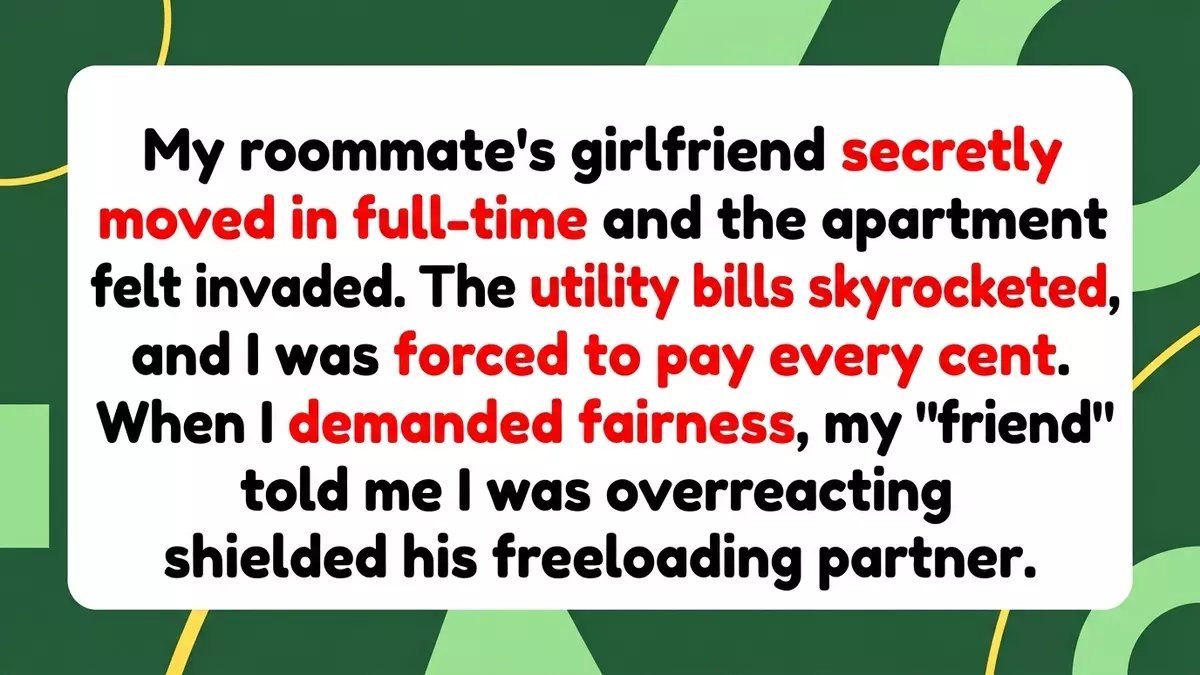
Surging Electricity Charges: An extra person means double the laundry cycles, prolonged use of heating and air conditioning units, and continuous charging of personal electronic devices throughout the day.
-
Increased Water Consumption: Daily showers, continuous dishwashing, and frequent toilet flushing rapidly inflate the municipal water statement.
-
Depreciation of Common Resources: High-volume traffic accelerates the wear and tear on household furniture, internet bandwidth speed slows down, and shared household goods like toilet paper and dish soap disappear at twice the normal rate.
When the paying roommate requested a fair reallocation of these rising bills, the request was met with intense deflection. The partner's boyfriend immediately became defensive, attempting to shield his girlfriend from financial accountability by arguing that she was "merely a guest," despite her clear full-time presence.
Public Consensus: The Internet Rejects the Free Loader
When the frustrating details of this living space breakdown were posted to online community forums, the public response was swift and decisively unsympathetic toward the freeloading couple. The digital community overwhelmingly voted that the primary renter was entirely justified in his frustration, labeling the roommate's behavior as highly inconsiderate and financially exploitative.
A few experienced commentators even suggested taking petty measures, like packing up her bathroom supplies and placing them in the boyfriend's bedroom, to send a clear, undeniable message that the common areas were closed to non-paying occupants. The overarching public sentiment emphasized a hard legal truth: a lease is a legally binding financial contract. Forcing a co-tenant to subsidize your romantic partner's daily lifestyle is a massive breach of trust that invalidates the roommate agreement entirely.
Actionable Steps to Solve a Freeloading Guest Conflict
Successfully resolving a roommate deadlock when a partner has vastly overstayed their welcome requires moving past emotional arguments and relying strictly on firm boundaries. To protect your home and your budget, execute this structured framework: