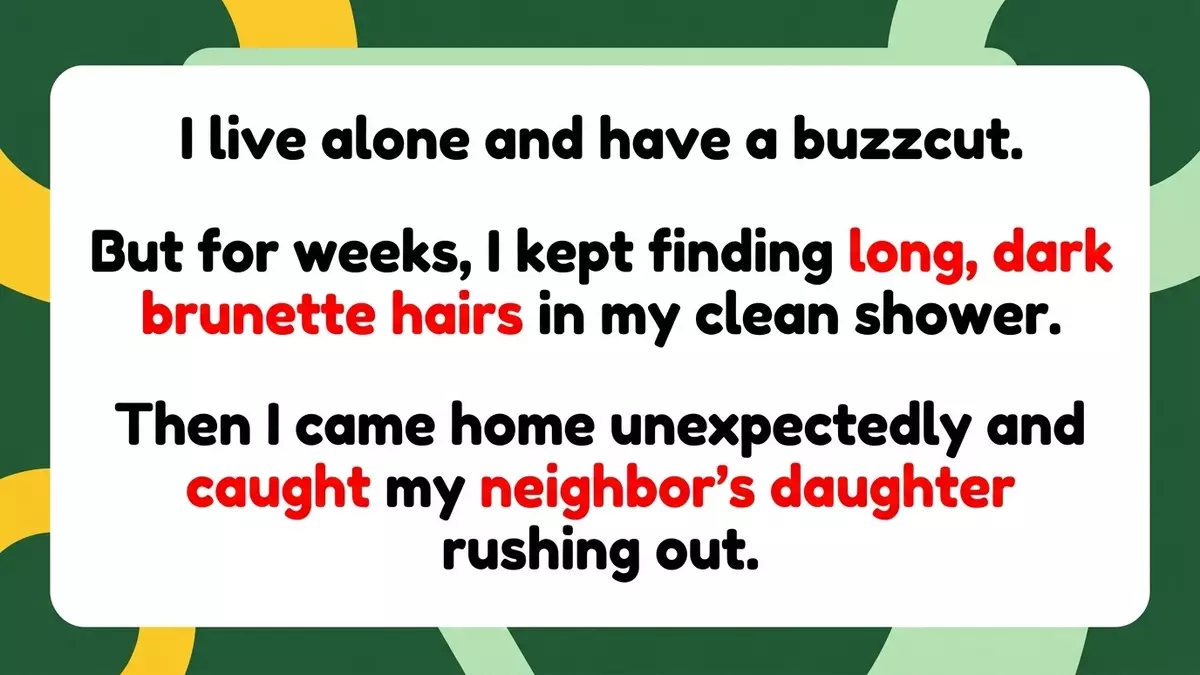

Ultimately, discovering an uninvited guest utilizing your home as their personal getaway serves as a stark, powerful reminder to always secure our entryways, no matter how safe or quiet our neighborhoods might seem. While changing the locks and installing smart technology are excellent physical remedies, healing the psychological aftermath of a compromised home takes time, patience, and strict boundaries. Your home is not a community resource; it is your private sanctuary. By refusing to normalize the intrusion and taking aggressive steps to lock down his perimeter, this bachelor successfully reclaimed his space, proving that personal security is something you must actively defend.
What is the legal difference between trespassing, burglary, and phrogging?
Criminal trespassing involves knowingly entering a property without permission. Burglary occurs when an individual breaks into a structure with the specific intent to commit a felony or theft inside. Phrogging is a colloquial term for a specialized form of criminal trespassing where the offender's primary objective is temporary habitation, shelter, or stealthy coexistence rather than immediate theft.
How do phroggers typically gain access to secure apartments?
Phroggers frequently exploit simple structural and behavioral vulnerabilities. They may engage in "tailgating"—following a legitimate resident closely through a secure parking garage or lobby door—or search for hidden spare keys, master keys kept by untrustworthy building staff, or slip through unlocked balcony doors and windows accessible via fire escapes.
Can I legally break my apartment lease if an intruder has been inside my home?
Yes, in many jurisdictions, but you must establish proper documentation first. Most residential rental contracts guarantee a covenant of "quiet enjoyment." If you can prove via police reports and security footage that your safety has been severely compromised due to faulty building locks or structural negligence by property management, you possess strong legal leverage to terminate the lease early without penalty.
What are the most common signs that someone is secretly entering your home?
Key warning signs include small items being subtly rearranged, food or drinks disappearing from the refrigerator, unexpected shifts in utility consumption, mysterious scents or damp towels in the bathroom, or physical anomalies like unfamiliar hair strands, scuff marks near attic access panels, and unlocked windows you distinctly remember closing.
How do I safely sweep my bedroom and bathroom for hidden spy cameras?
Turn off all the lights in the room to achieve complete darkness, and slowly scan the space using your smartphone camera or a flashlight; the lens of a hidden camera will reflect a distinct glint of light back at you. Pay extreme attention to objects that have a direct view of the bed or shower, such as smoke detectors, alarm clocks, wall outlets, and tissue boxes, checking for tiny pinholes that could house a micro-lens.